
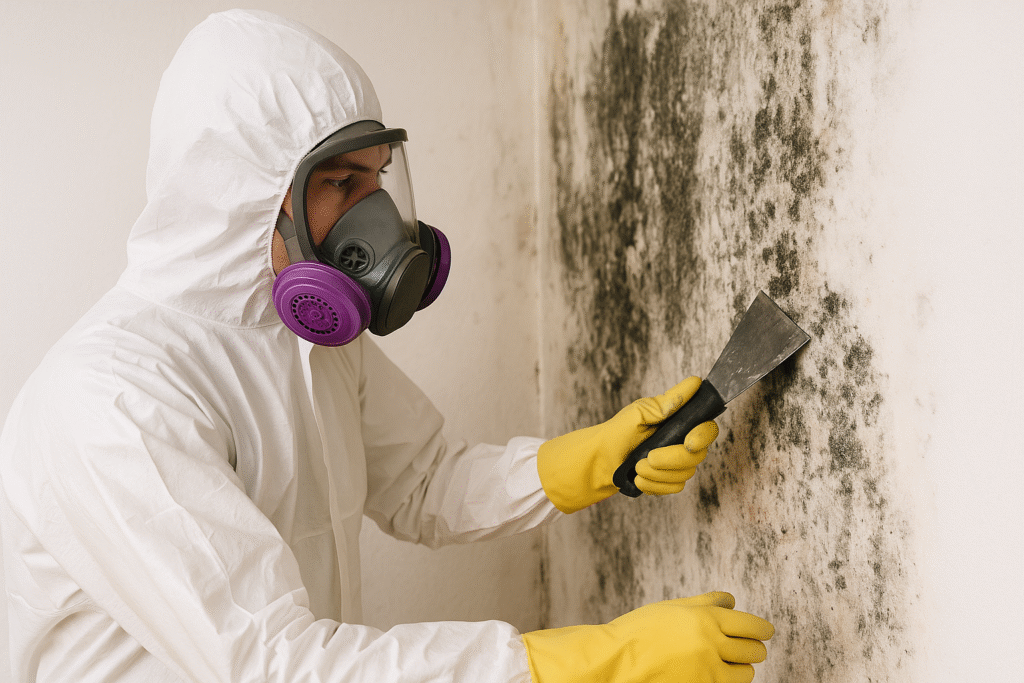
Highlights
- Professional mold removal ensures safe, complete elimination of mold and prevents costly recurrence.
- Certified Los Angeles experts use advanced equipment like HEPA filters and air scrubbers for thorough remediation.
- The article explains common causes of mold in LA homes, including leaks and humidity issues.
- Homeowners gain practical tips on preventing mold growth and maintaining a healthy indoor environment.
If you’ve noticed a musty smell, dark spots on your walls, or allergy-like symptoms that just won’t go away, it might be time to call a mold removal professional in Los Angeles. The city’s warm, coastal climate creates ideal conditions for mold growth, especially after water leaks or humidity buildup.
What Causes Mold Growth in Los Angeles Homes?
Mold thrives in damp, poorly ventilated environments. Common causes include:
- Leaky roofs or plumbing — hidden leaks behind walls or ceilings.
- High indoor humidity — bathrooms, kitchens, and basements.
- Poor ventilation — especially in older LA homes.
- Water damage — from floods, pipe bursts, or AC condensation.
Mold spores can begin to colonize within 24–48 hours of moisture exposure. Left untreated, it can spread rapidly and damage drywall, flooring, and even your home’s structure.
The Dangers of Mold: Health and Structural Risks
Mold isn’t just unsightly, it’s potentially dangerous. The Centers for Disease Control and Prevention (CDC) warns that prolonged exposure to mold can trigger:
- Respiratory issues such as asthma and coughing
- Allergic reactions (itchy eyes, runny nose, skin irritation)
- Headaches, fatigue, and sinus congestion
- Severe reactions in people with weakened immune systems
Over time, mold eats away at organic materials like wood and paper. What starts as a minor discoloration can lead to serious structural damage, compromising the integrity of your home and its resale value.
DIY Mold Removal vs. Professional Mold Remediation
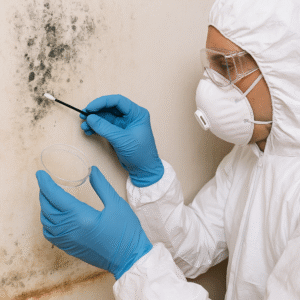
It’s tempting to grab a bottle of bleach and handle the problem yourself, but that’s where most homeowners go wrong. Here’s why professional mold cleanup outperforms DIY every time.
1. Proper Identification and Containment
Professionals perform a full mold inspection in Los Angeles homes using moisture meters and infrared cameras. This ensures hidden mold behind walls and floors is detected before removal begins. During cleanup, they isolate affected areas with negative air pressure systems to prevent spores from spreading.
2. Specialized Equipment
Certified technicians use HEPA vacuums, air scrubbers, and antimicrobial solutions unavailable to consumers.
This ensures complete decontamination and prevents regrowth.
3. Root Cause Resolution
Experts don’t just remove visible mold; they fix the underlying moisture source, whether it’s a leaky roof, faulty plumbing, or poor ventilation ensuring mold doesn’t return.
4. Safety Standards
Professional remediation teams wear protective suits, gloves, and N95 respirators to minimize exposure. They also follow EPA and IICRC guidelines for safe mold removal and disposal.
The Professional Mold Removal Process (Step-by-Step)
Here’s what to expect when hiring a mold removal company in Los Angeles:
Step 1: Mold Inspection and Testing
The process starts with a mold inspection to determine the extent of contamination. Professionals assess affected areas, identify moisture sources, and may take air samples if necessary. In most cases, you don’t need lab testing, visible mold and moisture signs are enough to begin remediation
Step 2: Containment and Safety Setup
Technicians seal off affected zones using plastic sheeting and establish negative air pressure to prevent spores from spreading to clean areas.
Step 3: Air Filtration
HEPA-filtered air scrubbers continuously clean airborne mold spores during the remediation process, ensuring a safe working environment.
Step 4: Mold Removal and Cleaning
Depending on the material:
- Porous materials (carpets, drywall, insulation) are removed and safely discarded.
- Non-porous surfaces are cleaned with EPA-approved antimicrobial agents.
- Disinfected areas are dried completely using dehumidifiers to prevent regrowth.
Step 5: Repairs and Prevention
After removal, the contractor repairs any damage caused by moisture or demolition, restoring your home to pre-loss condition. Finally, they may recommend installing better ventilation, sealing leaks, or using dehumidifiers to prevent recurrence.
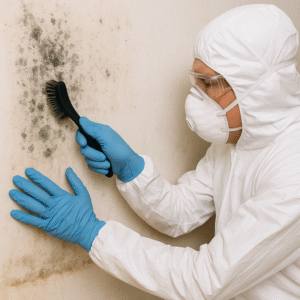
How Much Does Mold Removal Cost in Los Angeles?
The average cost of mold remediation in Los Angeles ranges between $1,000–$6,000, depending on factors like:
| Factor | Average Cost Range |
|---|---|
| Small surface mold (<10 sq. ft.) | $500–$1,500 |
| Moderate contamination (1 room) | $1,500–$3,500 |
| Whole-house remediation | $6,000–$10,000+ |
| Post-remediation testing | $300–$700 |
Additional expenses may apply for water damage repair, drywall replacement, or HVAC cleaning.
While DIY solutions may seem cheaper, incomplete cleaning can cause mold to return, ultimately costing more in repeated repairs and health impacts.
Local Expertise: Mold Removal Services Across Los Angeles County
Whether you’re in Santa Monica, Pasadena, Glendale, Long Beach, or Downtown LA, certified technicians are available throughout Southern California to help restore your home. RebrandYourHome.com makes it easy to connect with trusted mold removal companies near you who are fully licensed, insured, and vetted for quality.
When to Call for Help
Call a professional mold removal company if:
- You see mold covering more than 10 square feet.
- You notice a persistent musty smell or water stains.
- You experience respiratory symptoms that worsen indoors.
- You suspect hidden mold behind walls or flooring.
Don’t wait… mold spreads fast, and professional help can save your home from extensive damage.
FAQs
Frequently Ask Questions
How much does mold removal cost in Los Angeles, CA?
Most homeowners spend between $1,500 and $6,000, depending on the size and severity of the mold problem.
How long does professional mold remediation take?
Typically 1 to 5 days, depending on the extent of contamination and drying time.
Can I stay home during mold removal?
For small areas, yes. But for larger projects, it’s safer to stay elsewhere until cleanup is complete.
Does homeowners insurance cover mold removal?
Coverage depends on the cause… sudden water damage (like a burst pipe) may be covered, while long-term leaks usually aren’t.
How do I know if I need professional mold cleanup?
If the area is larger than 10 square feet, or if mold keeps returning after cleaning, call a licensed remediation specialist.